


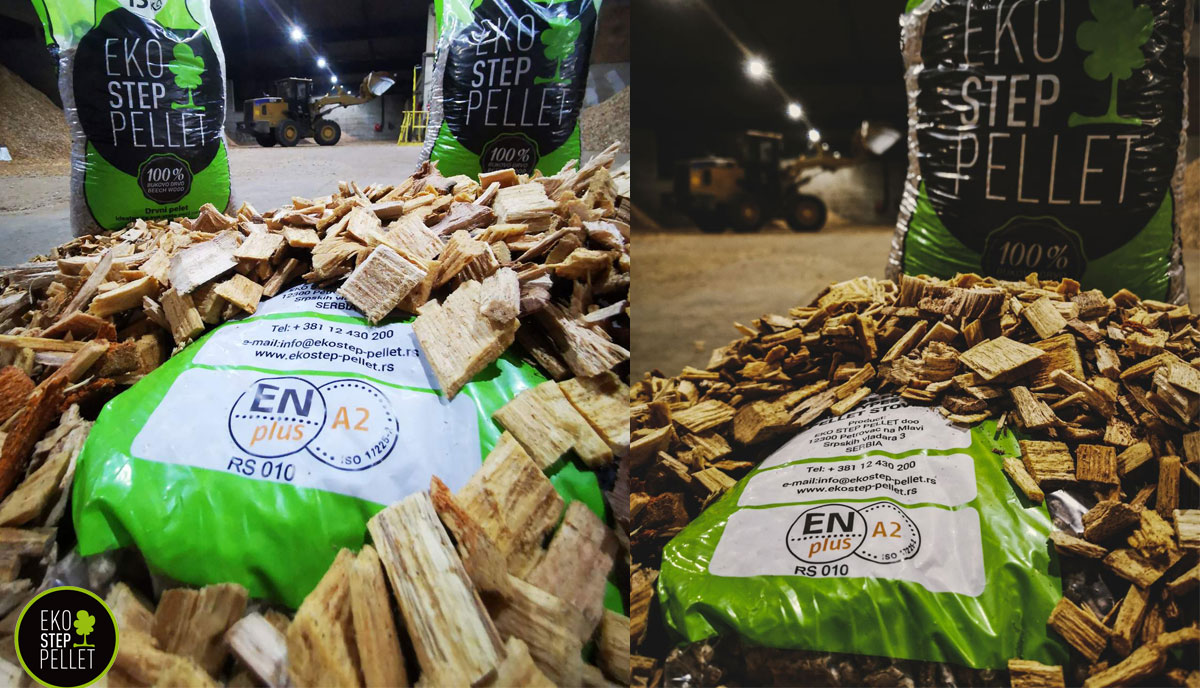
Wood pellet consumption in Serbia continued to grow in 2020 despite the pandemic and the challenges faced by producers, retailers and consumers. Consumption exceeded 350,000 tonnes, placing Serbia among the leading countries in Southeast Europe in terms of the consumption of this wood-based fuel.
All other countries in the region were far behind Serbia. The growth in wood pellet consumption on the domestic market is the result of a steady increase in household consumption and, over the past three years, a sharp rise in consumption in public and commercial buildings.
Wood pellets have reduced the use of coal thanks to the high level of comfort they provide to consumers.
Their price and low level of pollutant emissions have also helped them replace heating oil. Households remain the most important category of wood pellet consumers. If this trend continues, it can be expected that during the 2021/2022 heating season Serbia will reach and exceed the milestone of 100,000 households using wood pellets for heating.
Due to exceptionally high domestic consumption, wood pellet exports fell below 20% of total production in 2020. This is positive for Serbia, considering that wood pellets are a green energy source and that most of the pellets produced are consumed within the country. The situation is different in other countries in the region, where wood pellet exports account for more than 70% of production.
The favourable situation regarding pellet consumption is the result of several years of consumer education, measures introduced by the Government of the Republic of Serbia that reduced the VAT rate from 20% to 10%, and the renovation of a large number of public buildings – including schools, kindergartens, health centres, clinics, hospitals, local government buildings and others – where coal and heating oil have been replaced by wood pellets. This trend continued during the first four months of 2021, suggesting that pellet consumption in the public sector could continue to grow.
In addition to households and the public sector, an increasing number of commercial properties – including restaurants, hotels and business premises – are switching from fossil fuels to wood pellets. The reasons are clear: a high level of comfort, lower costs and reliable supply thanks to the good availability of wood pellets throughout the year. Significant progress has been made in wood pellet distribution over the past three years.
The number of distributors and retailers is increasing year by year, while their cooperation with domestic producers continues to develop to the benefit of both sides, resulting in stable prices and supply throughout the year. All of this has contributed to a high and continually growing level of consumer confidence in wood pellets.
Over the past three years, there have been no major fluctuations in retail wood pellet prices, which is an important factor in building consumer confidence in this type of wood fuel. According to data from the Timber Trade Centre of the Faculty of Forestry in Belgrade, the average retail price of wood pellets in Serbia was:
- €204.3 per tonne in 2019,
- €200.1 per tonne in 2020, and
- €201.1 per tonne during the first four months of 2021.
These are average prices, which means that some regions had slightly higher prices while others had lower prices than the averages shown above.
The situation in production, sales, exports and imports indicated that Serbia could expect a good supply of wood pellets on the domestic market and stable prices in 2021. Incentives announced by the Ministry of Mining and Energy for replacing old heating appliances with highly efficient systems, including pellet heating systems, were expected to begin in the second half of 2021 and contribute to further growth in demand and consumption, both in 2021 and in the years ahead. This was particularly important for households, the largest category of energy consumers in Serbia, where many solid-fuel heating appliances were more than 10 years old. Their gradual replacement with new, highly efficient systems was expected to reduce fossil fuel consumption, particularly coal, while increasing the use of greener fuels such as wood-based fuels and especially pellets.
For all these reasons, the Serbian market became increasingly attractive to foreign producers, particularly those from neighbouring countries, as well as pellet traders seeking to sell part of their production in Serbia instead of exporting it to Italy and other European Union countries. As a result, wood pellet imports increased again in 2020, reaching 40,500 tonnes. Imports accounted for almost 12% of total consumption in 2020. One concern was the significant variation in the quality and prices of wood pellets imported into Serbia, which was not beneficial from the perspective of end consumers. For this reason, further consumer education on how to choose high-quality pellets was expected to continue. Certificates, such as the ENplus certificate, as well as pellet test reports issued by accredited laboratories, are among the indicators that help consumers identify pellets whose quality has been verified by independent inspection organisations. The role of domestic media in educating consumers is also very important.
Wood pellets with the ENplus certification mark
Another important step is the introduction of appropriate regulations governing the distribution of wood pellets and other wood fuels. This is important not only for protecting end consumers by ensuring that fuels of appropriate quality are available on the market, but also for reducing greenhouse gas emissions.
The announced policy of decarbonising Serbia’s energy sector was encouraging and provided grounds for optimism that appropriate regulations for the solid fuel market in Serbia would soon be introduced. The adoption of new systemic measures proposed by producers and forestry professionals would further strengthen Serbia’s reputation and position in the region in this field. In addition, it would help reduce pollutant emissions from individual heating systems, making a significant contribution to the wider community’s efforts to improve air quality in Serbia.
Author: Prof. Dr Branko Glavonjić, Full Professor at the Faculty of Forestry, University of Belgrade