


Households in Serbia use around one million cubic metres of firewood for heating each year. Forests cover approximately two million hectares, around 50% of which are state-owned, with the remainder privately owned. It is estimated that around 500,000 tonnes of wood could be processed into pellets, and this should be encouraged as it would contribute to greater energy efficiency, environmental protection and the creation of new jobs.
Wood pellets are a biofuel made from compressed wood that provides consistent and economical heating. The use of biomass for energy production is considered CO2 neutral, based on the principle that plants absorb CO2 from the atmosphere through photosynthesis as they grow. The combustion of biomass releases CO2, but in an amount corresponding to that previously absorbed during the plant’s growth. In addition, using biomass instead of fossil fuels can significantly reduce SO2 emissions. Although this gas is not a greenhouse gas, it contributes to the formation of acid rain, which can damage forests and cause trees to deteriorate.
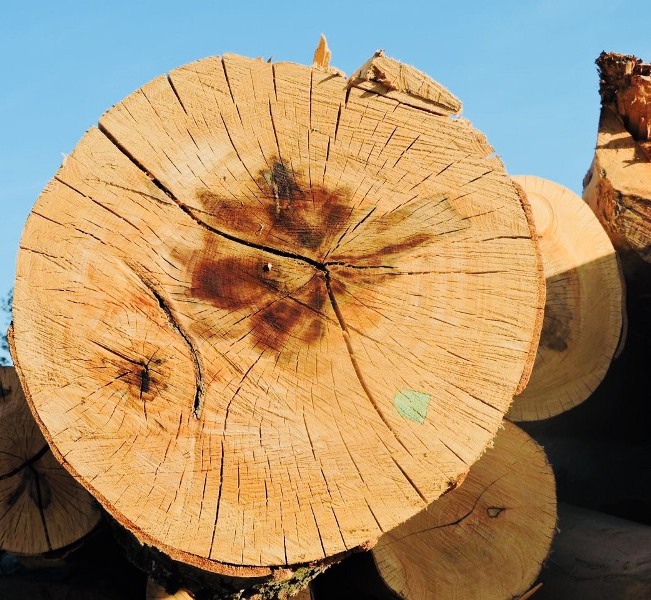
In addition to its role in the CO2 cycle, the use of biomass offers other benefits. A comparison of the ash content of biomass and coal shows that replacing coal with biomass fuel can significantly reduce the amount of ash produced during combustion. Wood pellets burn with very little visible smoke and leave behind around 1% ash. Pellets can therefore be considered an environmentally friendly fuel, particularly because they do not contain residues such as glue or plastic.
The core business of EKO STEP PELLET d.o.o. is the production, sale and transport of beech wood pellets.
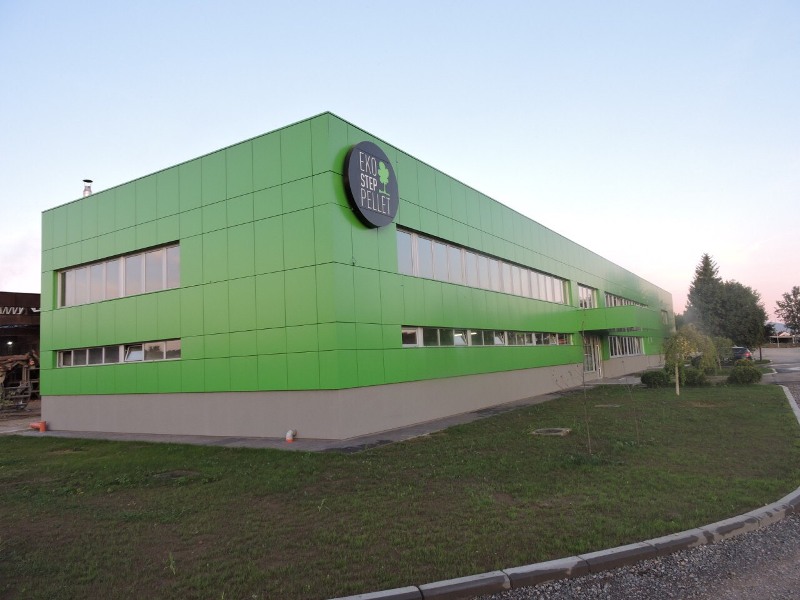
By investing in knowledge and technology, following global trends in wood processing and maintaining a strong commitment to its work, the company produces high-quality wood pellets. In our production process, we use raw materials from controlled sources and forests where there is no unplanned logging, artificial genetic modification of trees or other activities that threaten forest resources. In this way, we demonstrate our commitment to social responsibility and environmental protection.